44 cleaning chemical labels should contain
WHMIS 1988 - Labelling Requirements : OSH Answers - Canadian Centre for ... If the product is always used in the container with the supplier label, no other label is required (unless the supplier label falls off or becomes unreadable). However, sometimes you will want to put some of the material into another container for use in the workplace. This new container does require a workplace WHMIS label. A workplace label must: WHMIS 2015 - Labels : OSH Answers - Canadian Centre for Occupational ... Suppliers and employers must use and follow the WHMIS 2015 requirements for labels and safety data sheets (SDSs) for hazardous products sold, distributed, or imported into Canada. Please refer to the following other OSH Answers documents for more information: WHMIS 2015 - General. WHMIS 2015 - Pictograms.
The trouble with ingredients in sunscreens | EWG's Guide to ... Active ingredients in sunscreens come in two forms, mineral and chemical filters. Each uses a different mechanism for protecting skin and maintaining stability in sunlight. Each may pose hazards to human health. The most common sunscreens on the market contain chemical filters. These products typically include a combination of two to six of these active ingredients: oxybenzone, avobenzone ...
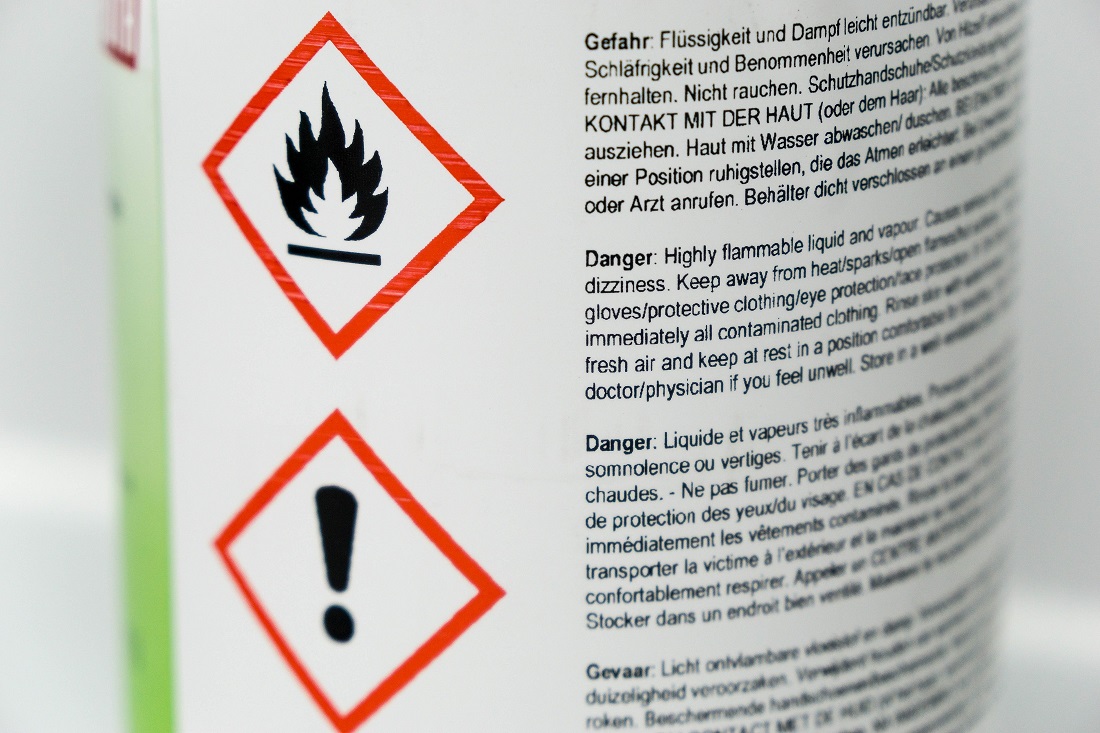
Cleaning chemical labels should contain
Cleaning Products You Should Never Mix - Cleaning Tips - Good … 22.03.2019 · 6 Cleaning Products You Should Never, Ever Mix . These dangerous duos could leave you coughing and wheezing — or even explode. By Lisa Freedman and Lauren Smith McDonough Updated: Mar 22, 2019 ... Cleaning Supplies and Household Chemicals - American Lung Association Cleaning Supplies and Household Chemicals Cleaning helps to protect our health in our homes, schools and workplaces. However, household and cleaning products—including soaps, polishes and grooming supplies—often include harmful chemicals. Even products advertised as "green" or "natural" may contain ingredients that can cause health problems. GHS Labeling Requirements: The Definitive Guide [2021 Update ... - Luminer However, the GHS takes into consideration that, sometimes, it's not possible to keep workers safe with only these six label requirements, which is why it also allows for supplemental information. 1. Product Identifier. This requirement identifies the actual hazardous chemical inside the container.
Cleaning chemical labels should contain. Cleaning Products You Should Never Mix | Reader's Digest 06.04.2020 · Make sure to read the labels on your cleaning products before you mix them to prevent any accidents. For example, Windex typically has ammonia in it, and some brands of pipe cleaner, such as Drano ... MyChem | EHS - University of Washington Visit the MyChem website and enter your UW NetID and password.. Click the Person menu link:. Fill in the Person Details fields. If you are a principal investigator or responsible party, select "PI" or "RP" as your role. If you are not a principal investigator or responsible party, select "Contact" or "Other" as your role.Enter the UWNetID of the principal investigator or responsible party who ... Secondary Containers | Environmental Health, Safety and Emergency ... Except for a few cases, secondary containers must be labeled. IF IN DOUBT, LABEL IT! One common case where you do not have to label a secondary container is if the container is portable and will be used immediately by the person who transferred the chemical into that container. For example, if you pour a concentrated disinfectant into a bucket ... How to Read a Cleaning Product Label - The Spruce What the Label Will Say Most cleaning products add a caution section to their label. It's often in large print and in bold. Most caution warnings will say if the product is an eye irritant, a skin irritant, harmful if swallowed, has contents under pressure, or needs to be used in a well-ventilated area.
Product Chemical Hazard Labels Explained - VIP Clean Most household cleaning labels will contain at least one of the pictograms explained above, because many products were made before the new legislation took effect. Children should work with chemicals (including household cleaning products) in a well ventilated area and always under the direct supervision of an adult. Cleaning Chemical Safety Information Workers should also obey the following basic rules for cleaning chemical safety: Don't mix cleaning chemicals unless instructed to do so. Some chemicals, like bleach and ammonia, can cause serious damage to the lungs and in some cases result in death when mixed. Don't wash your hands with cleaning chemicals. About List N: Disinfectants for Coronavirus (COVID-19) | US EPA May 24, 2022 · These products are for use on surfaces, not humans. Children should not use these products. Inclusion on List N does not constitute an endorsement by EPA. Additional disinfectants may meet the criteria for use against SARS-CoV-2 (COVID-19). EPA will update this list with additional products as needed. Additional Resources. Still have questions? Cleaning | Disinfection & Sterilization Guidelines | Guidelines Library ... Cleaning is done manually in use areas without mechanical units (e.g., ultrasonic cleaners or washer-disinfectors) or for fragile or difficult-to-clean instruments. With manual cleaning, the two essential components are friction and fluidics. Friction (e.g., rubbing/scrubbing the soiled area with a brush) is an old and dependable method.
FDA updates on hand sanitizers consumers should not use Sep 23, 2022 · The following chart outlines the information on hand sanitizer labels for consumers to use to identify a product that: Has been tested by FDA and found to contain methanol, 1-propanol, benzene ... Time for a Fright? Scary Facts about Household Chemicals These household cleaning products should never be mixed. Bleach + ammonia These two chemicals react to form toxic chloramine vapour. If there's enough ammonia in the mix it can produce hydrazine, which is potentially explosive and deadly. What it does: chloramine vapour burns your eyes, respiratory system and can lead to internal organ damage. Chemical Container Labels | EHS - University of Washington The label on an original chemical container must be legible and written in English. It must include the chemical/product name as shown on the SDS and the manufacturer's name and address. Do not accept materials if the label is illegible or missing required information. (See example of original label below). Identifying Greener Cleaning Products | US EPA Jun 01, 2022 · Certain ingredients in cleaning products can present hazard concerns to exposed populations (e.g., skin and eye irritation in workers) or toxicity to aquatic species in waters receiving inadequately treated wastes (note that standard sewage treatment effectively reduces or removes most cleaning product constituents).
Labeling and storing hazardous chemicals
A List of Chemicals I Try to Avoid in Cleaning Products Reading labels is the best way to avoid spraying toxic chemicals around your home. It is also an easy way to spot greenwashing from brands calling themselves natural, plant-based or eco-friendly. ... Despite being labelled as a single word, fragrances can contain up to 200 chemicals. Even if cleaning products, perfume is classed as a trade ...
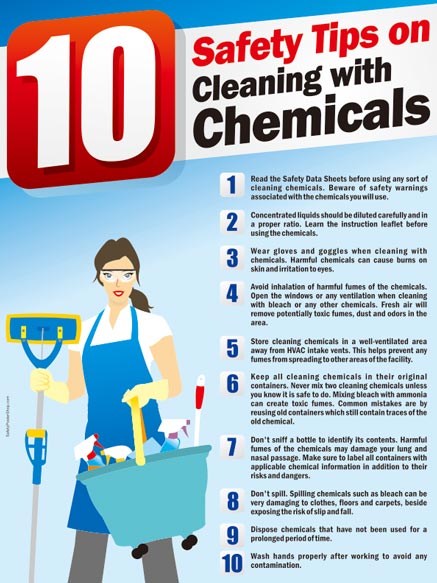
10 Safety Tips on Cleaning with Chemicals | Safety Poster Shop
Coronavirus disease (COVID-19) - Department of Health Terminal cleaning requires both thorough cleaning and disinfection for environmental decontamination. Cleaning should be followed by or combined with a disinfectant process (see 2-step clean and 2-in-1 step clean below). Ensure room is prepared prior to cleaning, remove medical equipment and patient used items.
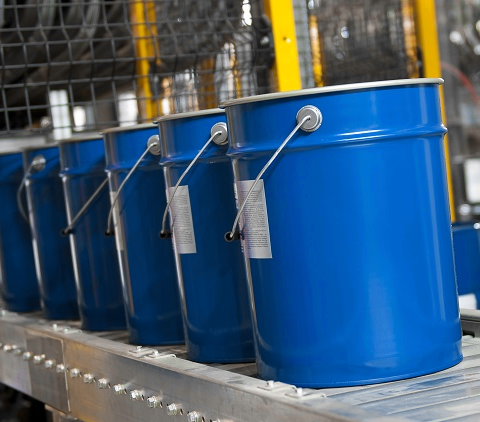
Secondary Container Labels 101: HazCom and WHMIS
osha - HAZARD COMMUNICATION Flashcards | Quizlet Chemical labels must contain a product identifier, signal word and a pictogram to represent the hazards. What other information is required on a chemical label? ... Contact Information. Howard is working with a cleaning solution that contains sodium hydroxide. Although he is using gloves, when he pours the solution to dilute it for cleaning use ...

Private Labeling Chemical Manufacturer | Misco Products ...
Terms to avoid on a hazard label - HSE Terms to avoid. You should also avoid using statements such as 'safe', 'non-harmful', 'non-toxic', 'non-polluting', 'ecological', 'eco' on the labels of substances or mixtures which have been classified as hazardous. Any other statements that are inconsistent with or contradict the classification of the substance or mixture being placed on the ...
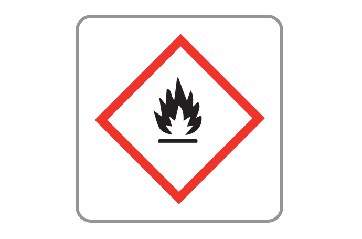
GHS Label Requirements: Elements, Examples, Updates | BRADY
OSHA requirements for cleaning chemicals. | Occupational Safety and ... OSHA requirements for cleaning chemicals. Standard Number: 1910.1200 OSHA requirements are set by statute, standards and regulations. Our interpretation letters explain these requirements and how they apply to particular circumstances, but they cannot create additional employer obligations.
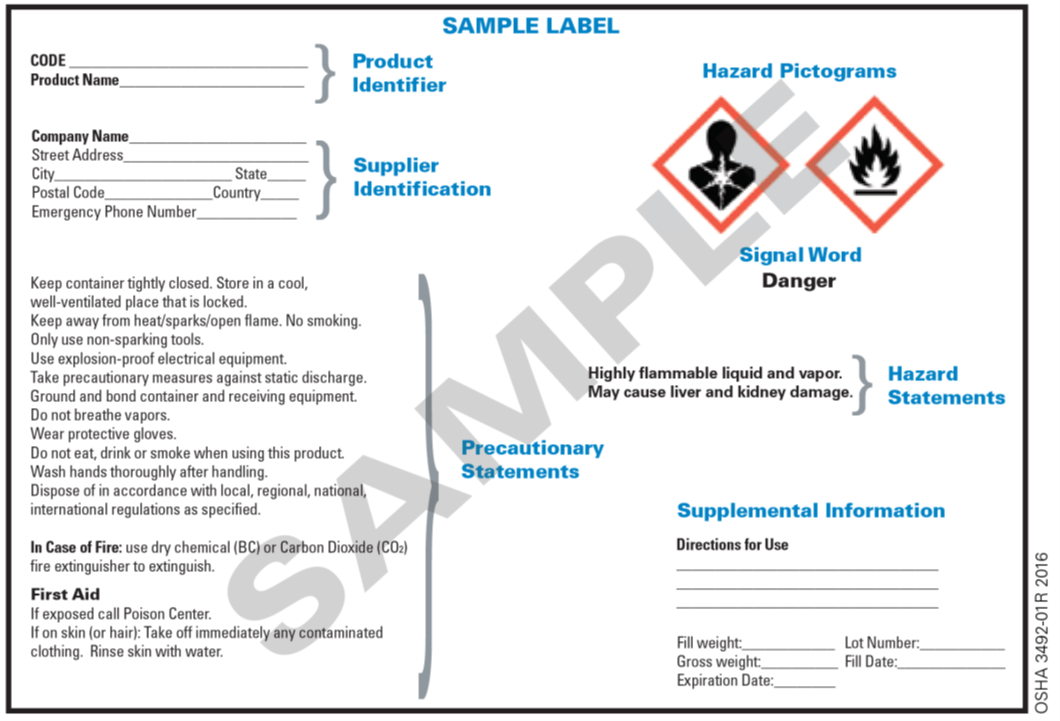
Chemical Container Labels | EHS
PDF Protecting Workers Who Use Cleaning Chemicals - Occupational Safety and ... • Never mix different cleaning chemicals together. Dangerous gases can be released. • Cleaning chemicals should not be used to wash hands. Wash hands with water after working with a cleaning chemical, especially before eating, drinking or smoking. Employers must provide training to workers at a level and in a language and vocabulary that they
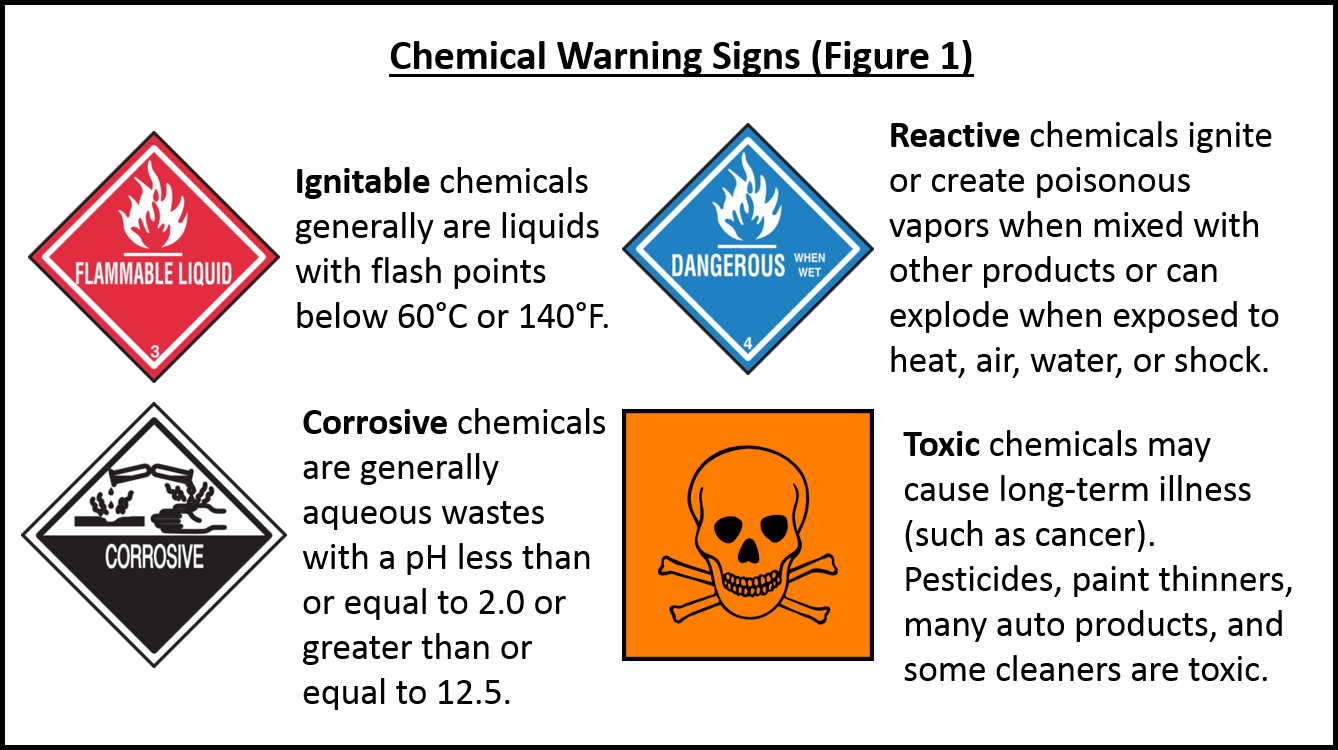
Lean & Chemicals Toolkit: Chapter 2 | US EPA
Hazardous Chemical Cleanup: Steps for Dealing with a Spill Once the liquid is contained, the rest of the chemical should be covered with absorbent pads. Finally, all of the chemicals should be soaked up using the appropriate absorbent contents in the spill kit. Use the brushes, scoops or dustpans provided in your spill kit to collect the materials.
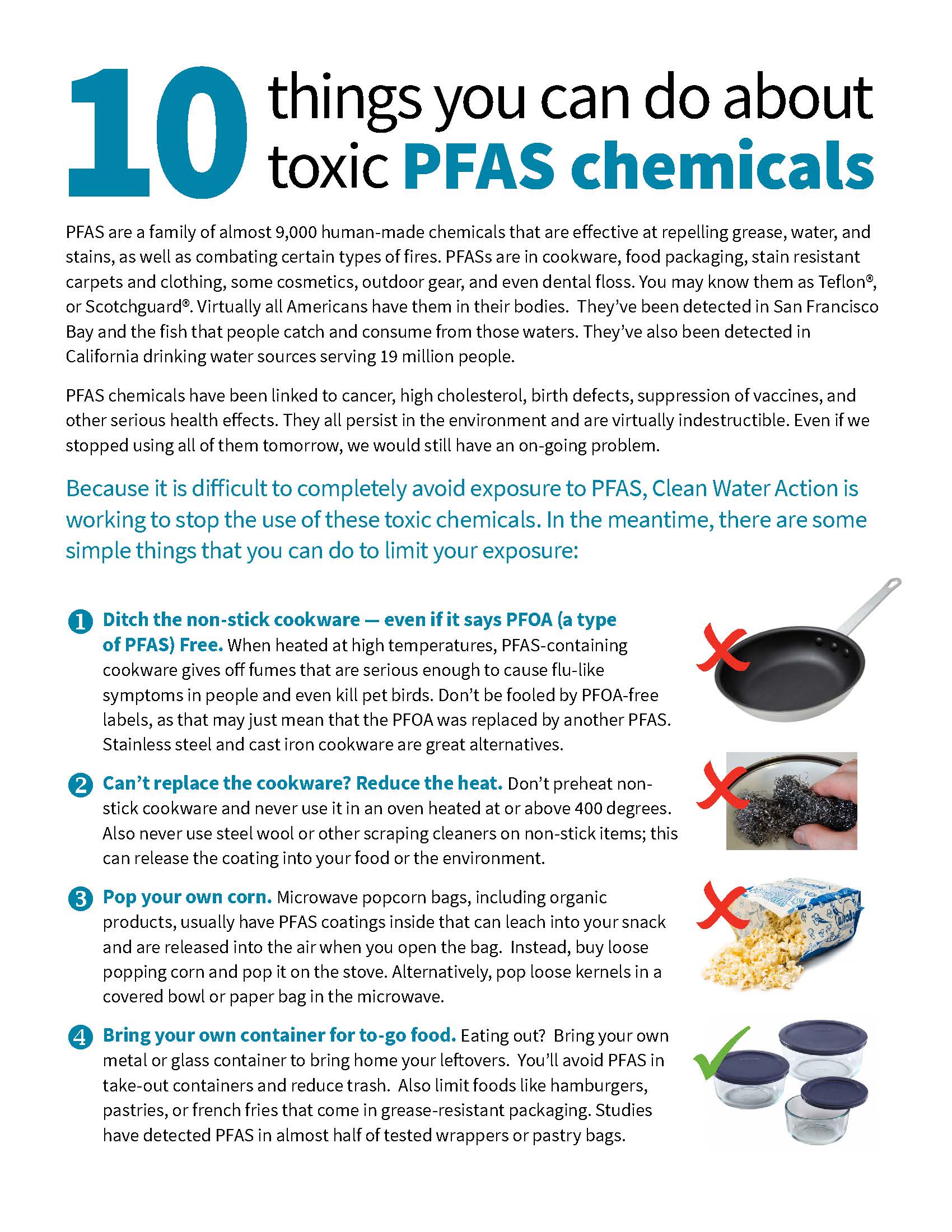
10 Things You Can Do About Toxic PFAS Chemicals | Clean Water ...
Cleaning Supplies: Secret Ingredients, Hidden Hazards This bill would require that makers of household and professional cleaning supplies disclose the ingredients on the label as well as on the web. It would also require disclosure of product contaminants and individual ingredients in fragrance mixtures. The result would empower consumers as never before. Many ingredients are not disclosed to workers

Chemical Spill Procedures | Office of Environmental Health ...
Cleaning Chemical List - 14 Agents Used in Housekeeping List of Common Chemicals Used in Most Cleaning Products When it comes to making products specifically meant for cleaning, the following chemicals are used. Some tackle odors, while some only remove dirt. Acetic Acid (also known as vinegar) Ammonia Sodium bicarbonate Carbon (iv)oxide Amyl nitrite Chromic acid Sodium perborate Tetrachloroethylene
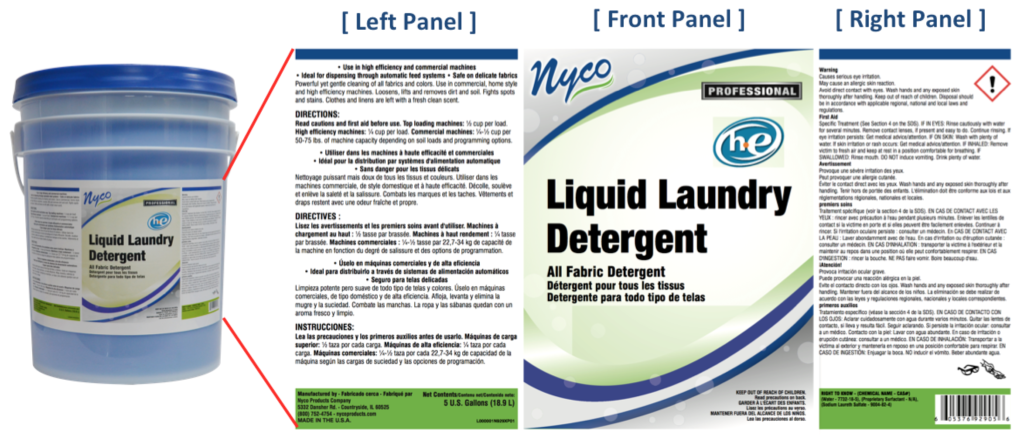
How to Read a Chemical Label | Understanding Chemical Labels
Chemistry Behind Cleaning - How Do Household Cleaners Work? Here are the average pH levels of common chemical cleaning products 1-3 pH - Toilet Cleaner 7-8 pH - Mild Dish Soap 11-13 pH - Chlorine Bleach - Oven Cleaner - Tile/Tub Cleaner - Ammonia acid 3 pH - Vinegar - Lemon Juice NEUTRAL Cleaning products that fall outside of the neutral range must be handled carefully base 8-10 pH - Borax -baking soda
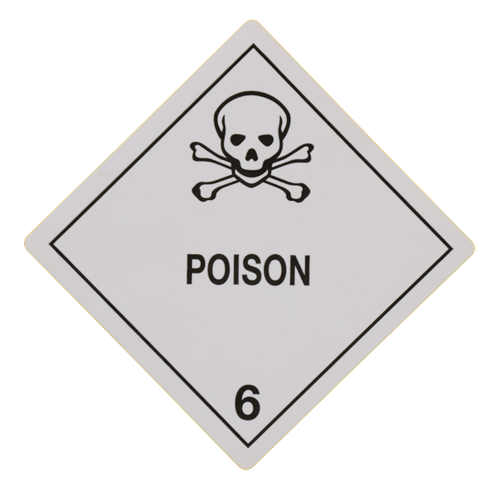
Hazardous Chemical Labels, Chemical Label Manufacturer, GHS ...
Cleaning Products | Uses, Benefits, and Chemical Safety Facts Users should follow all safe handling instructions on a product's label before using a particular cleaning product. If a cleaning product is accidentally ingested, call the national Poison Control Center Hotline: 1-800-222-1222, and be sure to have the label from the cleaning product in hand.
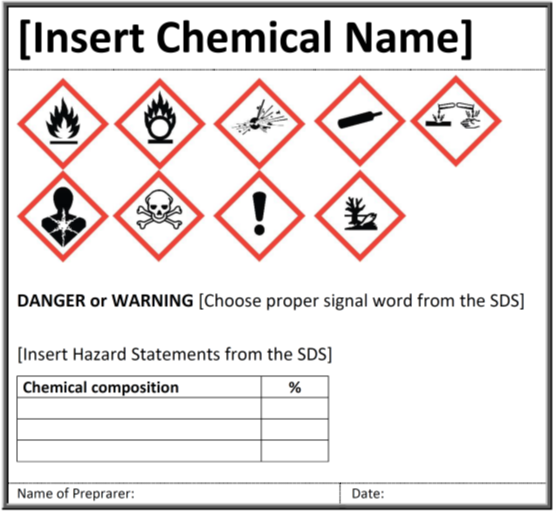
Chemical Container Labels | EHS
Cleaning Product Labels | CS Labels Cleaning product labels are usually required to be durable due to the environment in which they are used as well as being able to withstand the chemical content potentially spilling onto the label. The recommendation would be a white gloss PP with a laminate for a corrosive product, for example, a bleach label.
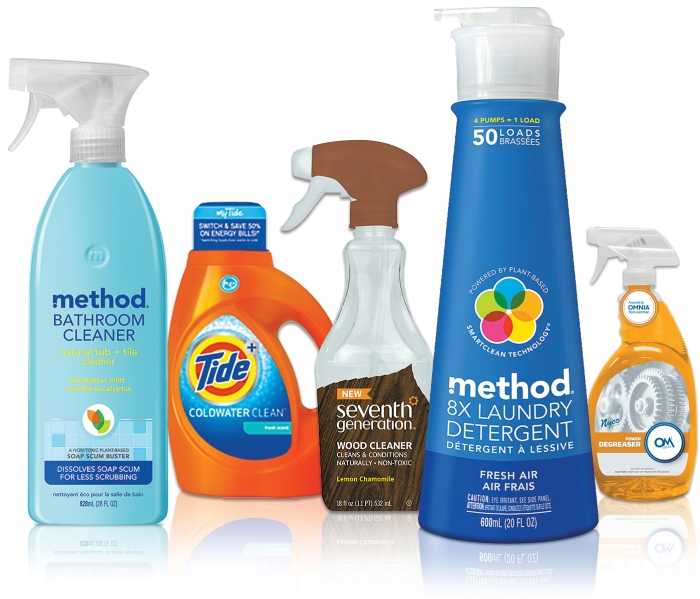
Cleaning Product Makers Bask In New Solvents
All classifieds - Veux-Veux-Pas, free classified ads Website All classifieds - Veux-Veux-Pas, free classified ads Website. Come and visit our site, already thousands of classified ads await you ... What are you waiting for? It's easy to use, no lengthy sign-ups, and 100% free! If you have many products or ads, create your own online store (e-commerce shop) and conveniently group all your classified ads in your shop! Webmasters, you can add your site in ...
Beware of Household Cleaning Products
4 Quick Tips to Help You Ace OSHA Secondary Container Labeling Tip #2: Play it Safe with GHS Labels for All Chemical Containers OSHA HazCom standards allow for some limited flexibility when labeling secondary containers. For example, there are six clear elements required for primary containers but less strict, more nuanced specifications for secondary containers.
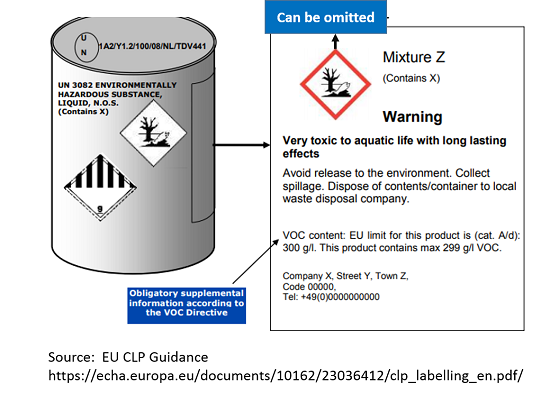
GHS Label Examples
15 best eco-friendly cleaning products, according to experts May 07, 2021 · How to buy eco-friendly cleaning products. Eco-friendly. Green. All-natural. Sustainable. When brands use words like these on their packaging without contextualizing what they really mean, they ...
FREQUENTLY ASKED QUESTIONS
How to Read Food Labels and Avoid Toxic Ingredients There are many MSG "clean label" ingredients identified by Truth in Labelling.org that you should be aware of. The list includes, but is not limited to the following substances: Glutamate Glutamic acid Monosodium glutamate Magnesium glutamate Natrium glutamate Gelatin Calcium caseinate Sodium caseinate Textured protein
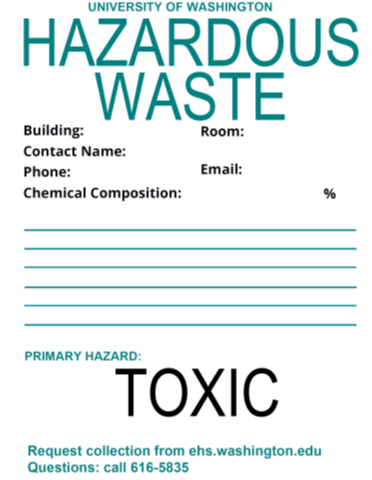
Chemical Container Labels | EHS
Cleaning With Bleach: 6 Reasons Why You Should Be Cautious 16.11.2017 · Check the labels of your household cleaning products. You may be surprised just how many of these products contain bleach. Bleach is a highly hazardous chemical, and it can be found in many cleaning supplies, including toilet cleaners, stain removers, and tile residue removers. Many use these products without realizing the potentially harmful ...

IDENTIFICATION, CLASSIFICATION AND LABELLING OF CHEMICALS ...
A Harmful Chemical Used in Cleaning Products - Businesstimesnow Always check the label before buying a cleaning product. A toxic cleaning product uses harmful chemicals like Perchloroethylene (PERC), Formaldehyde, Ammonia, 2-Butoxyethanol, Chlorine and Sodium Hydroxide. In this article, you will learn about the harmful effects of Perchloroethylene (PERC), a chemical that is often used in dry cleaning.

Federal Register :: Hazard Communication Standard
FAQs: Toxic Chemicals in Cleaning Products - Toxic-Free Future The most hazardous cleaning products are corrosive drain cleaners, oven cleaners, and toilet bowl cleaners. These products can cause skin or eye burns and potentially cause permanent eye damage. They can be identified by the signal word Danger on the label and the word "corrosive.".

The Science of Clean Label Fats & Oils - Clean Label Conference
How to Properly Dispose of Empty Chemical Containers - MLi Environmental The containers should be cleaned three times with a compatible solvent and with the rinse liquid being stored in a reusable container. Allow the containers to air dry (under a chemical fume hood if inside). Once cleaned and dried, permanently remove labels and all indicators or warning signs such as "flammable" or "hazardous" and write ...
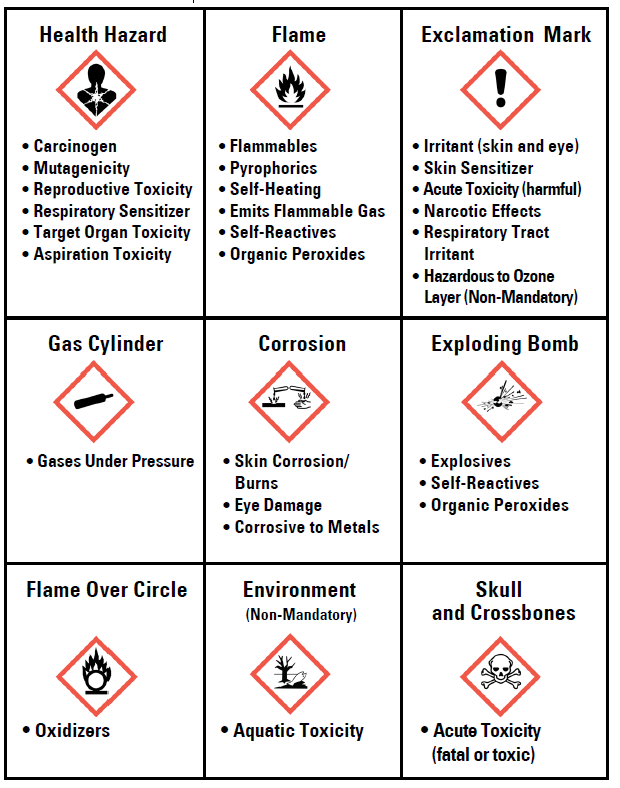
Chemical Storage and Management | Environmental, Health and ...
GHS Labeling Requirements: The Definitive Guide [2021 Update ... - Luminer However, the GHS takes into consideration that, sometimes, it's not possible to keep workers safe with only these six label requirements, which is why it also allows for supplemental information. 1. Product Identifier. This requirement identifies the actual hazardous chemical inside the container.
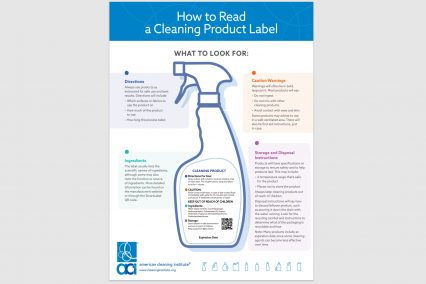
How to Read a Product Label | The American Cleaning Institute ...
Cleaning Supplies and Household Chemicals - American Lung Association Cleaning Supplies and Household Chemicals Cleaning helps to protect our health in our homes, schools and workplaces. However, household and cleaning products—including soaps, polishes and grooming supplies—often include harmful chemicals. Even products advertised as "green" or "natural" may contain ingredients that can cause health problems.

Chemical Safety Requirements for the Workplace - SafeWork Insider
Cleaning Products You Should Never Mix - Cleaning Tips - Good … 22.03.2019 · 6 Cleaning Products You Should Never, Ever Mix . These dangerous duos could leave you coughing and wheezing — or even explode. By Lisa Freedman and Lauren Smith McDonough Updated: Mar 22, 2019 ...
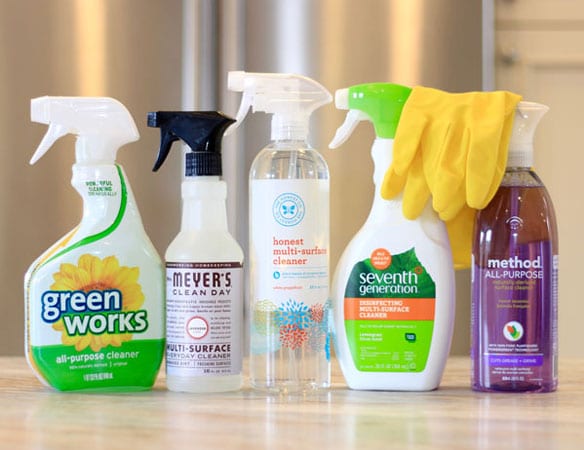
5 Ways Natural Cleaning Products Aren't As Safe As You Think ...
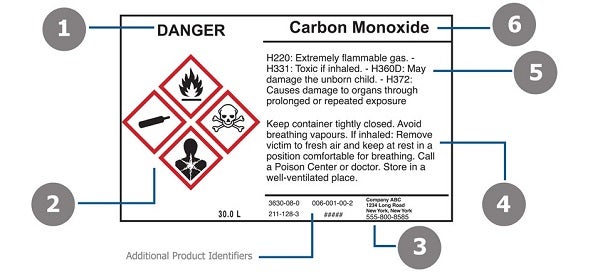
Container Labeling | Office of Environmental Health and ...
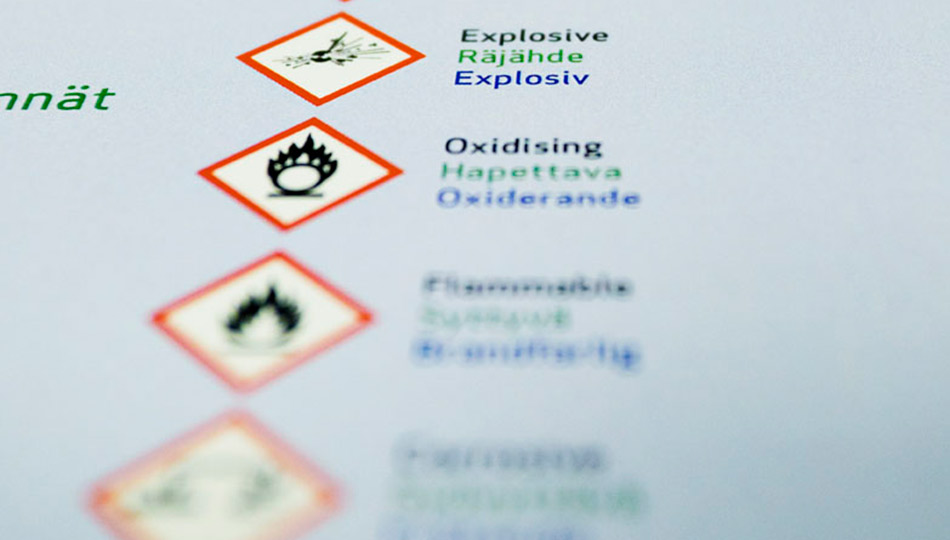
Read the labels - Chemicals In Our Life - ECHA
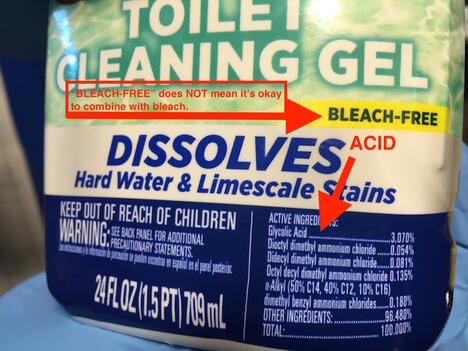
Dangers of Mixing Common Cleaning Products / Resources and ...
Environmental Health and Safety Department Working With ...
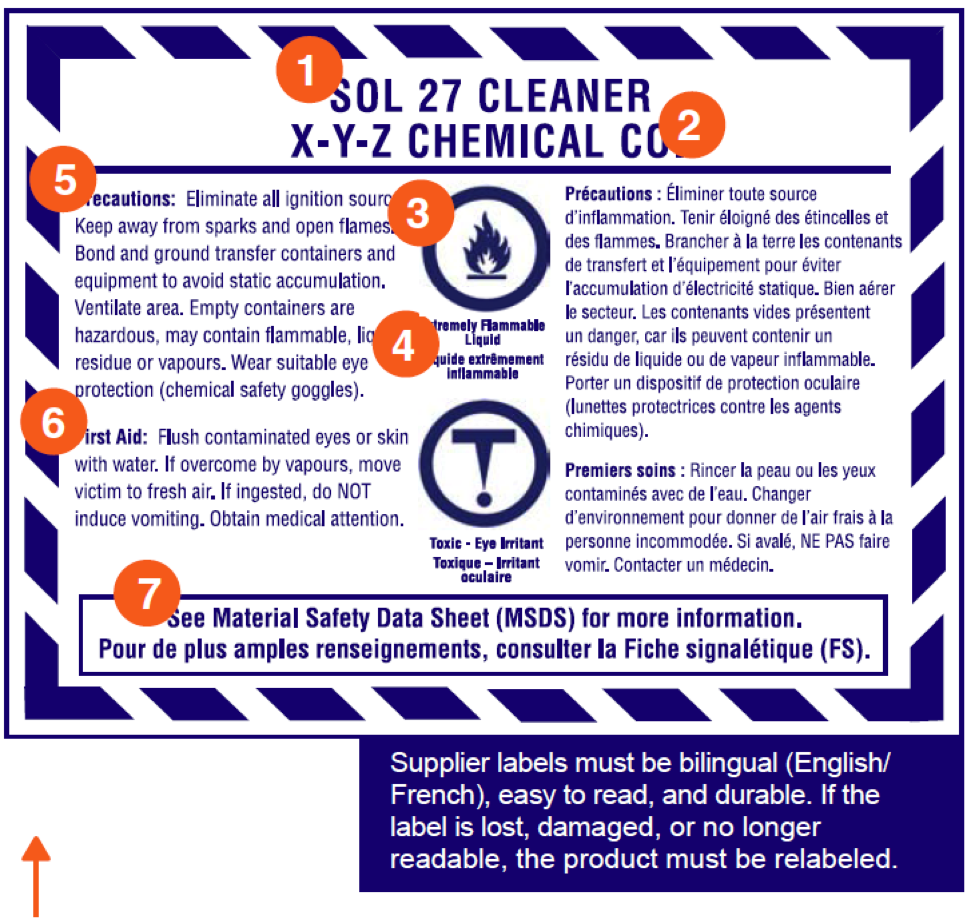
Labels – Workplace Safety in the Foodservice Industry

4 Important Components of a Cleaning Product Label | Maid Sailors
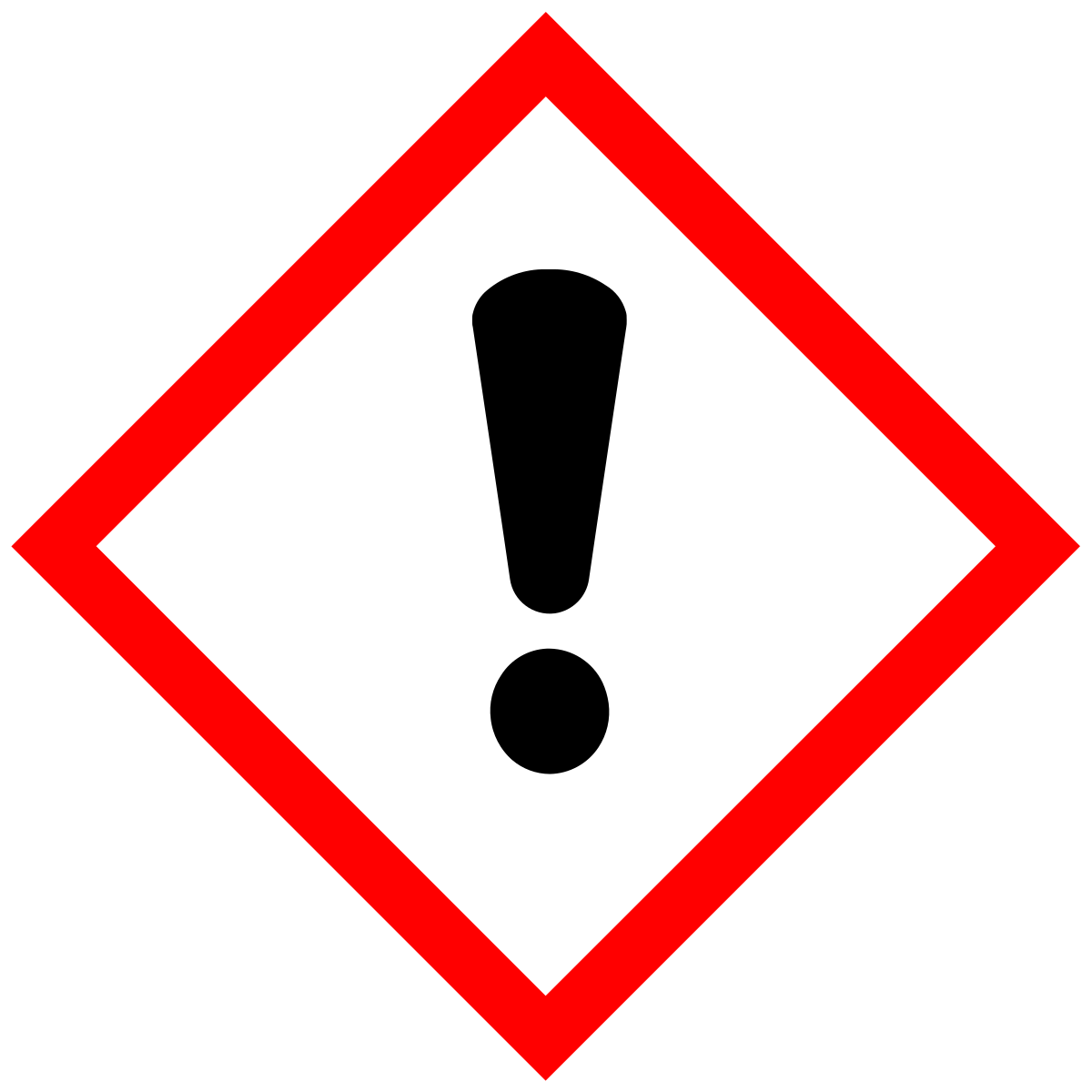
Globally Harmonized System of Classification and Labelling of ...

Gamma Meto Gun Labels
The Non-Toxic Cleaning Products You Should Be Using In Your ...
HAZARD COMMUNICATION, THE GHS & YOU PROGRAM OUTLINE:
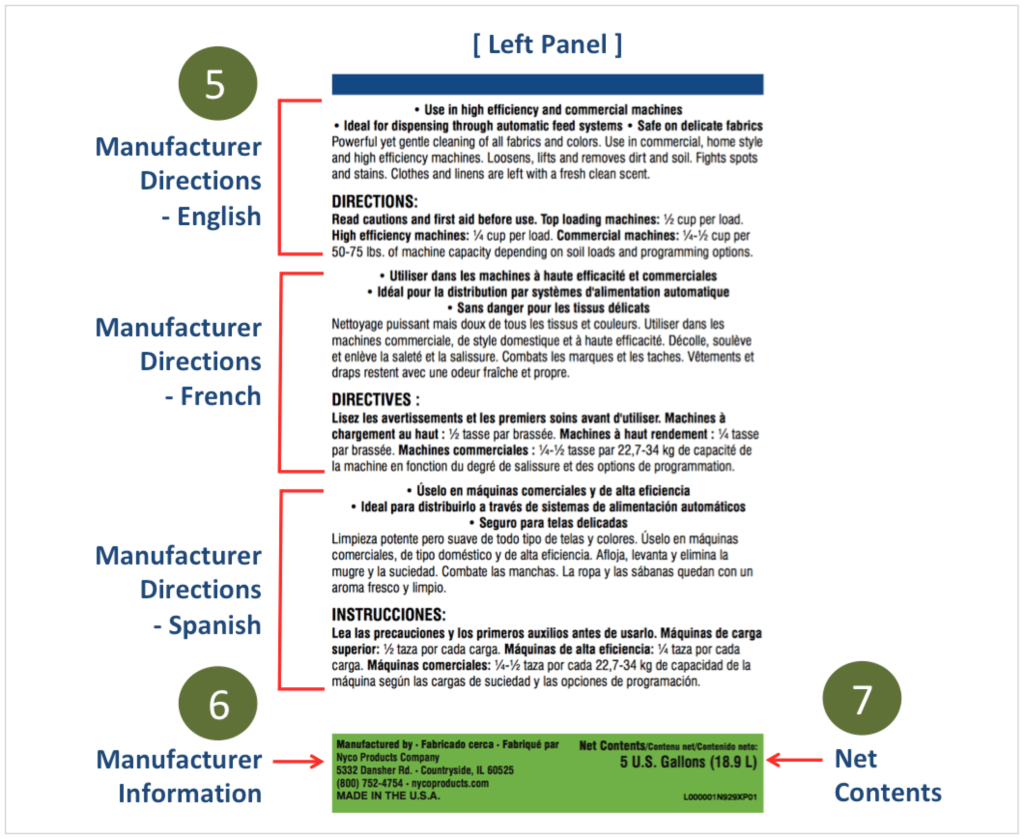
How to Read a Chemical Label | Understanding Chemical Labels

Handling and Storing Chemicals | Lab Manager
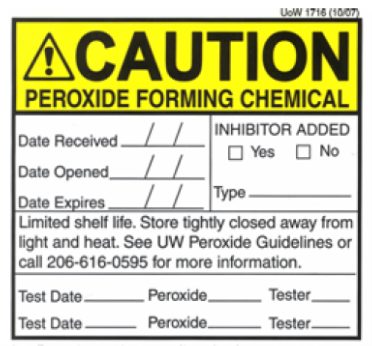
Chemical Container Labels | EHS
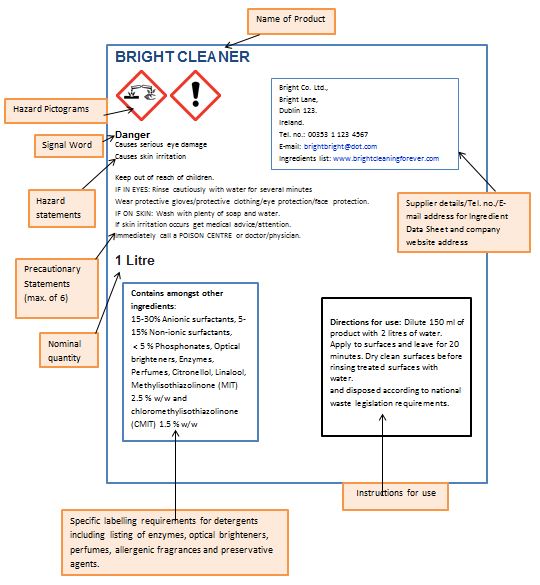
Detergent Labelling & Packaging requirements - Health and ...
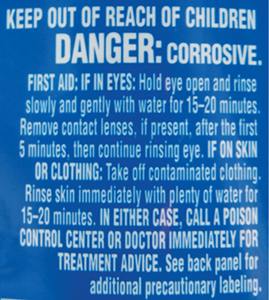
Selection and Use of Home Cleaning Products | New Mexico ...
:max_bytes(150000):strip_icc()/products_ingredients-56a4e8145f9b58b7d0d9d4d1.JPG)
How to Read a Cleaning Product Label

Understanding the labels on household chemicals
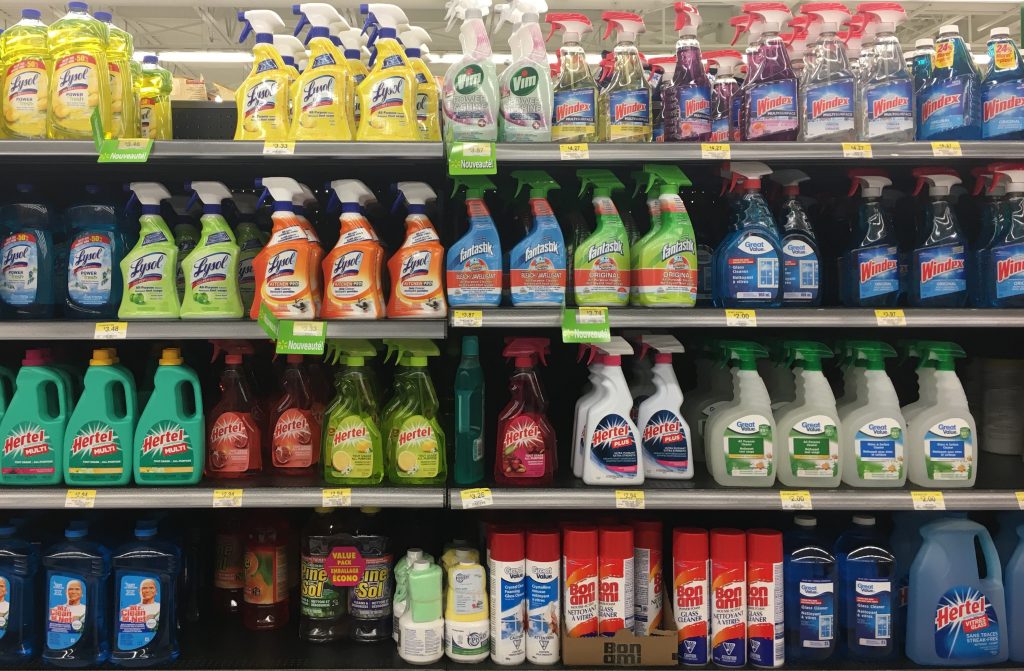
Dirty secrets: The battle to label harmful chemicals in ...
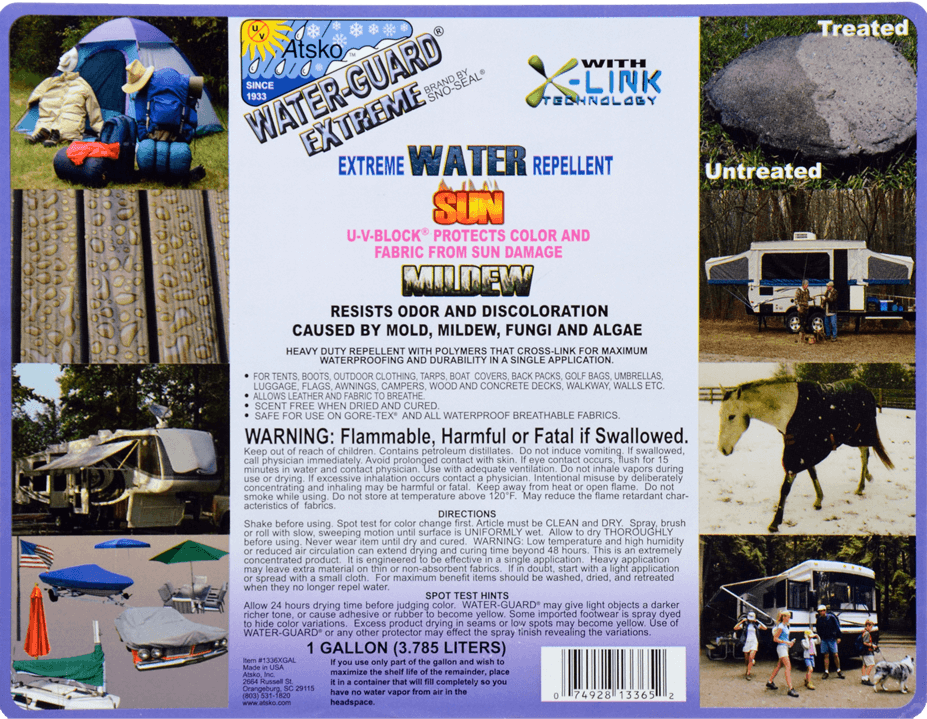
Printed Chemical Labels, Preprinted Chemical Labels, Drum ...
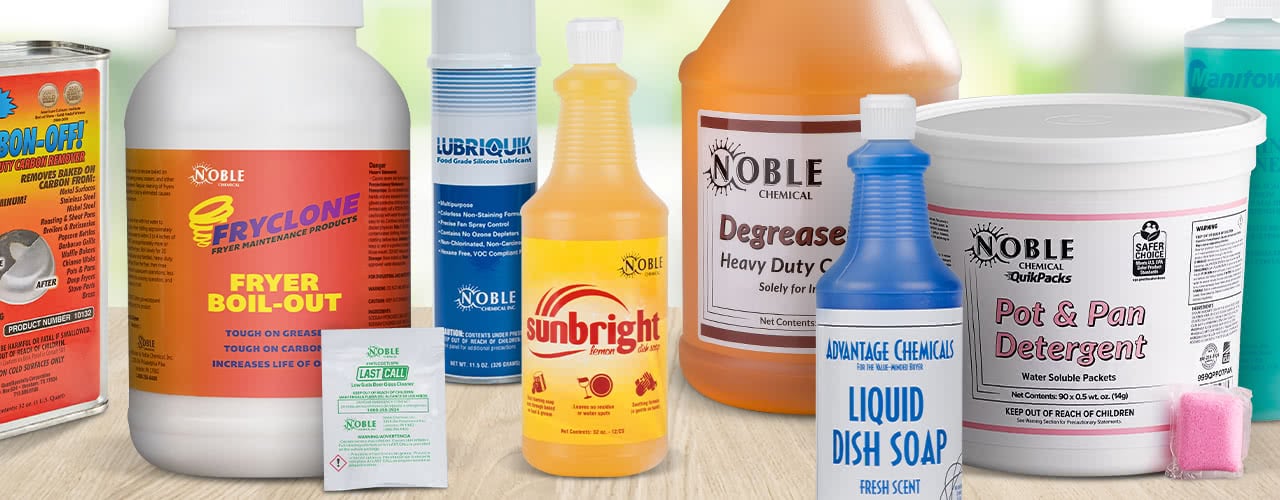
The Essential Cleaners for Your Restaurant: Types & Uses
Post a Comment for "44 cleaning chemical labels should contain"